

Behind the Desk

An American educator in Beijing classrooms.

For over five years, I have lived and taught history in China, navigating the delicate space between English and Mandarin. These dispatches document the quiet revelations that happen when two cultures collide in the classroom, and my transition back to the States since.

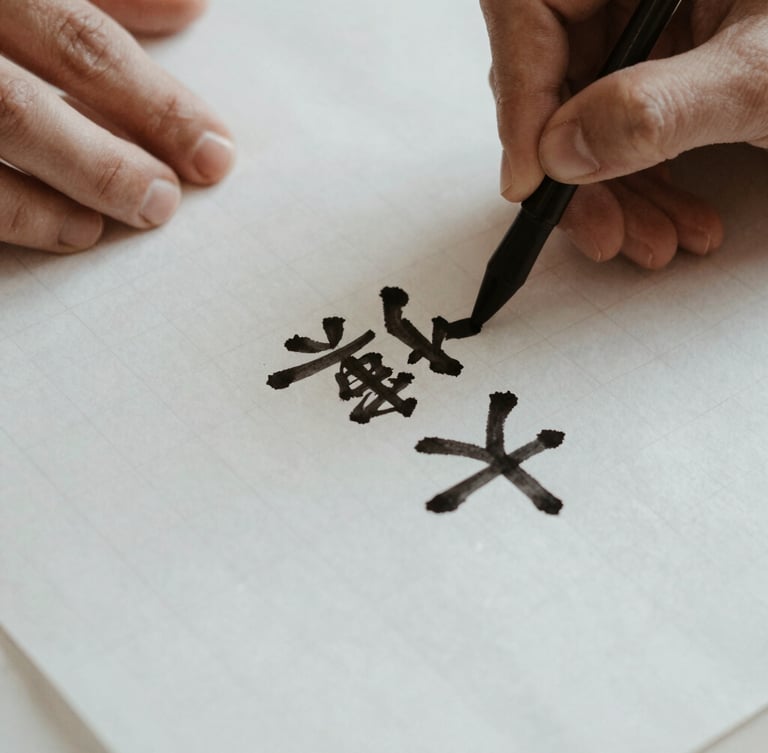
Close-up of hands writing Chinese calligraphy on handmade grid paper, the black ink slightly bleeding into the soft texture, warm indoor lamplight, quiet editorial composition.
The Method

Ipsative Learning and Quizzes

Academic sinology can feel dry, detached from the chalk dust and the teenage sighs of a real classroom. Travelogues often miss the linguistic undercurrents that shape daily life. This blog lives in the middle ground, offering ground-level observations on translation, pedagogical friction, and cultural nuance.

Unless I'm wrong—and I invite my students and readers to correct me—the subtle shifts in how we translate our histories tell us more about our shared future than any official census ever could.

Pedagogical Insight

Psycholingusitics

To know two languages is to have two souls.

Studies have shown that speakers report adopting different personality traits, mannerisms, and thought patterns based on which language they use. This is to say, what we study here is not just merely language - it's the blueprint for identity.

Dispatches from the classroom floor.

Weekly essays on the untranslatable friction of life between two scripts, written for those tired of superficial headlines.