Digital Epigraphy
A tripart, visual companion to the linguistic dispatches on this blog. Here we explore handmade Ancient characters, their contemporary counterparts, and also relevant obscurities of information.
Calligraphy three ways
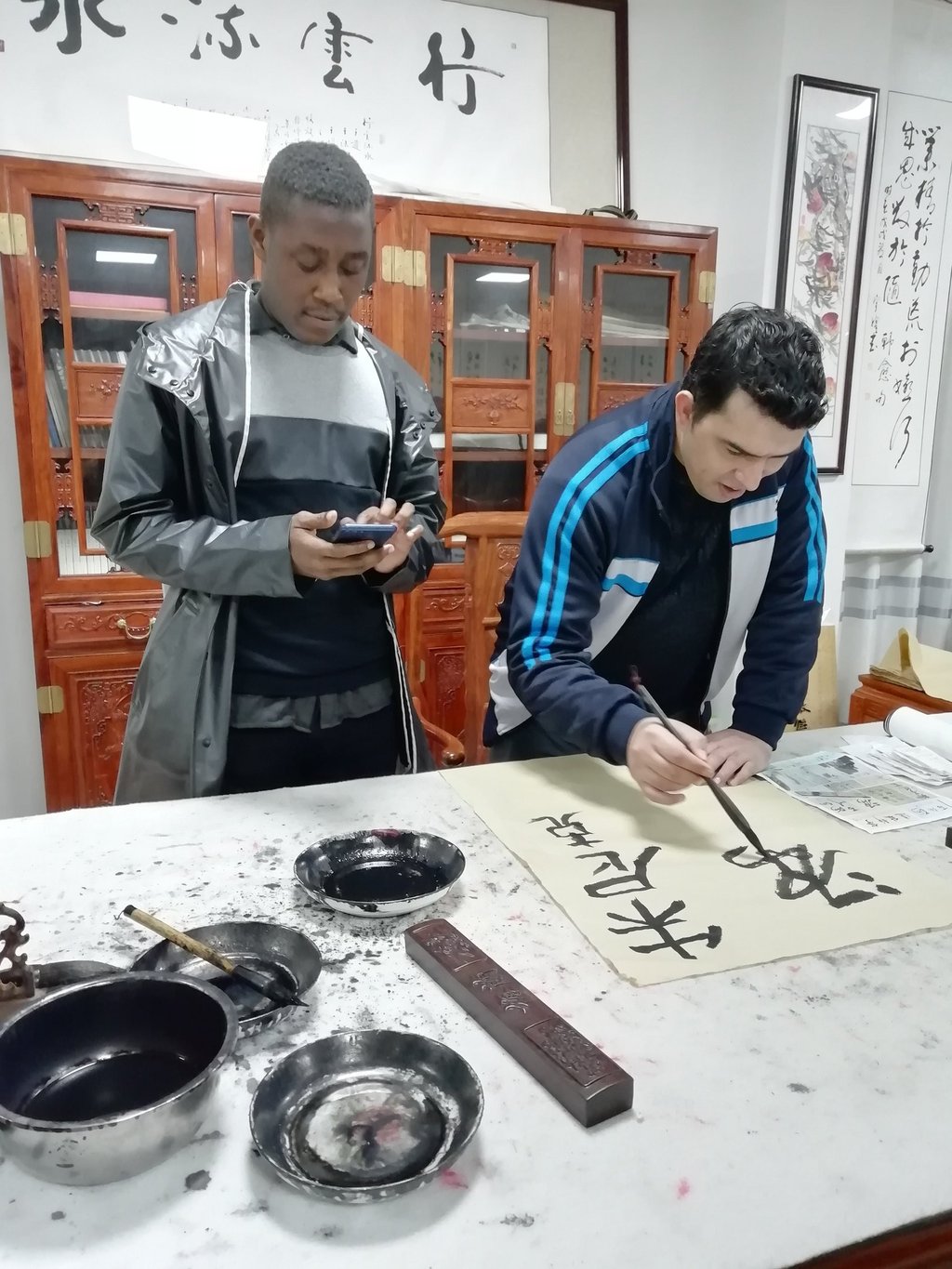
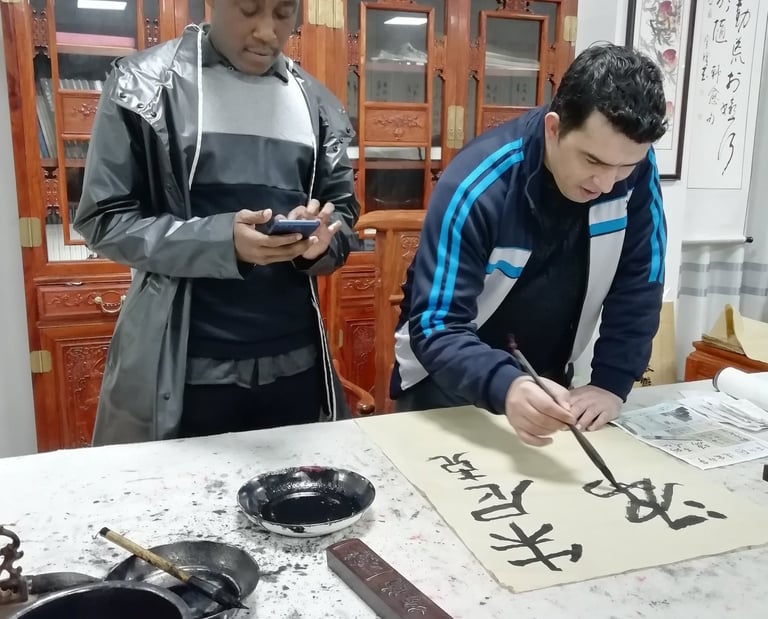
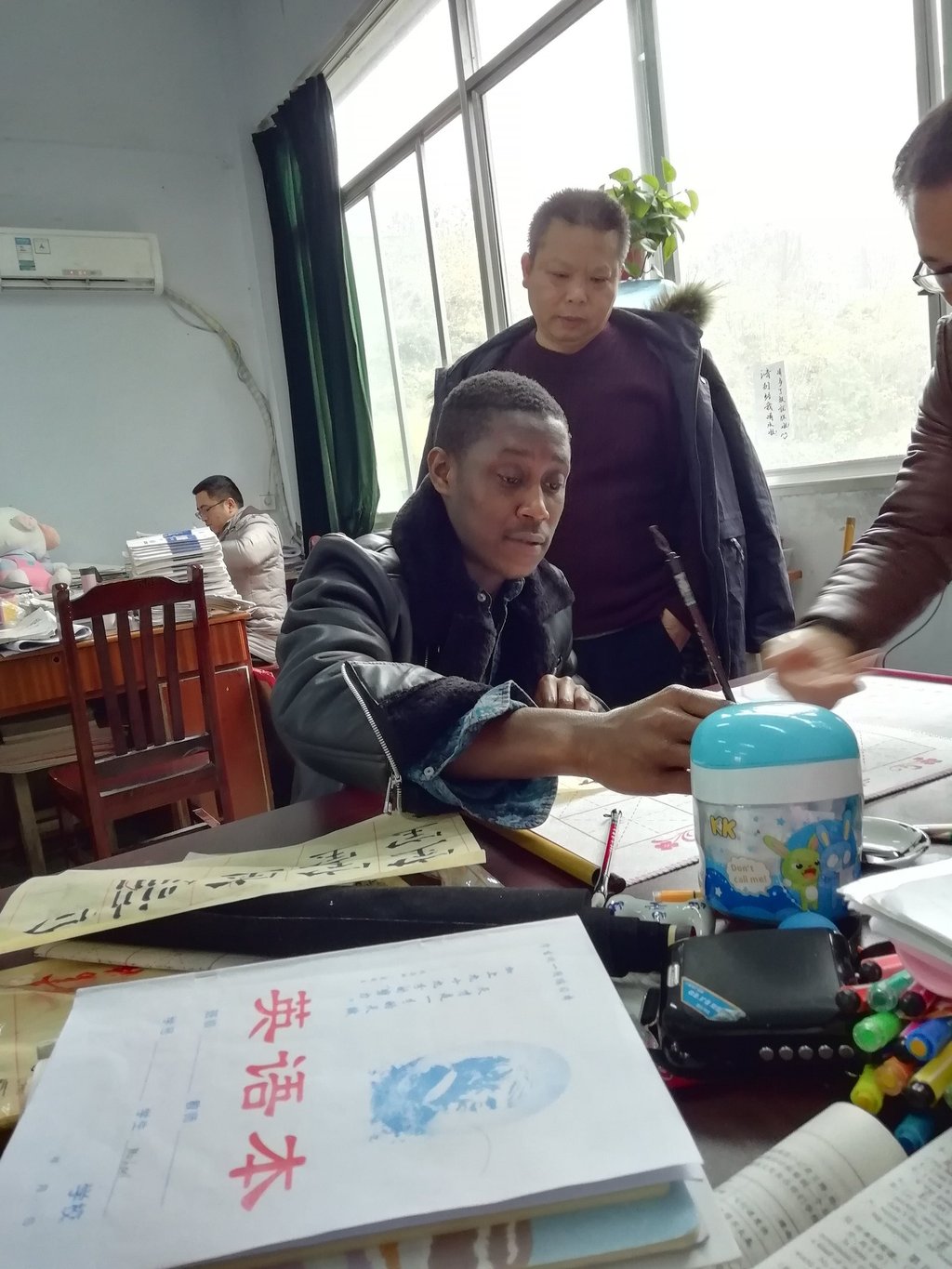
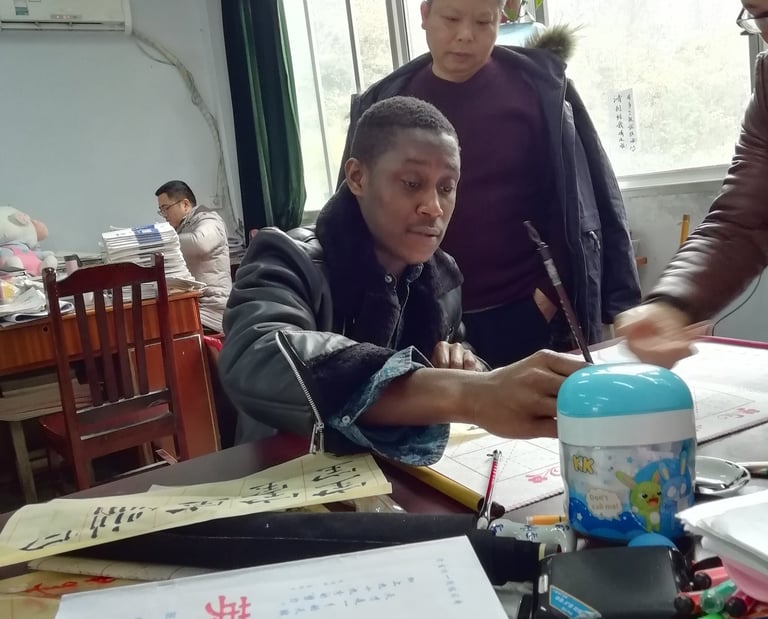


The weight of a stroke
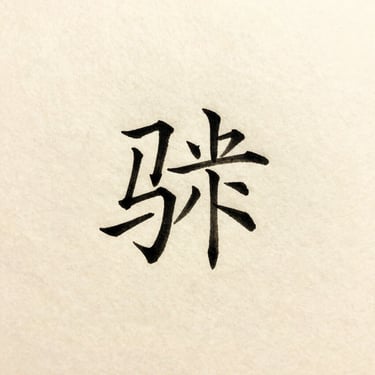
How do you teach "鳖" as functionally different from "turtle?" And what of 🐢 ? Does 🐢 also count as written language?
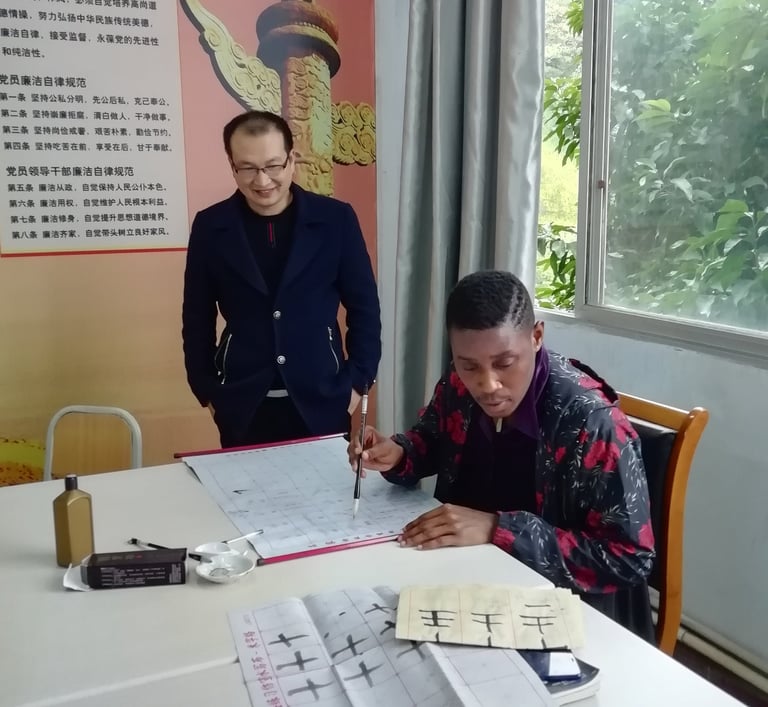
In my Beijing classroom, writing on the board became a performance of precision. To teach a language is to dissect the radical of each word, finding the ancient tools—plows, rivers, rituals—hidden inside modern syntax.
To teach is also to connect, to contextualize, and - for me personally - to make as confusing a diagram as possible categorizing all languages ever.
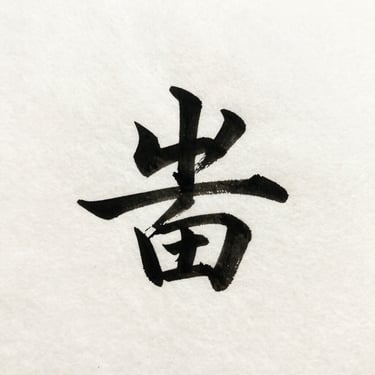
To write a Chinese character is to trace a physical path through centuries of human thought. The ink does not lie; it pools where the writer hesitated and thins where they rushed.
From the essay 'The Spear and the Shield'
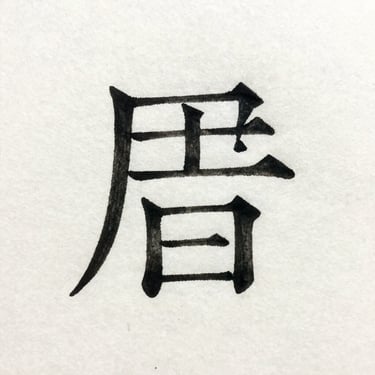

Characters in Focus
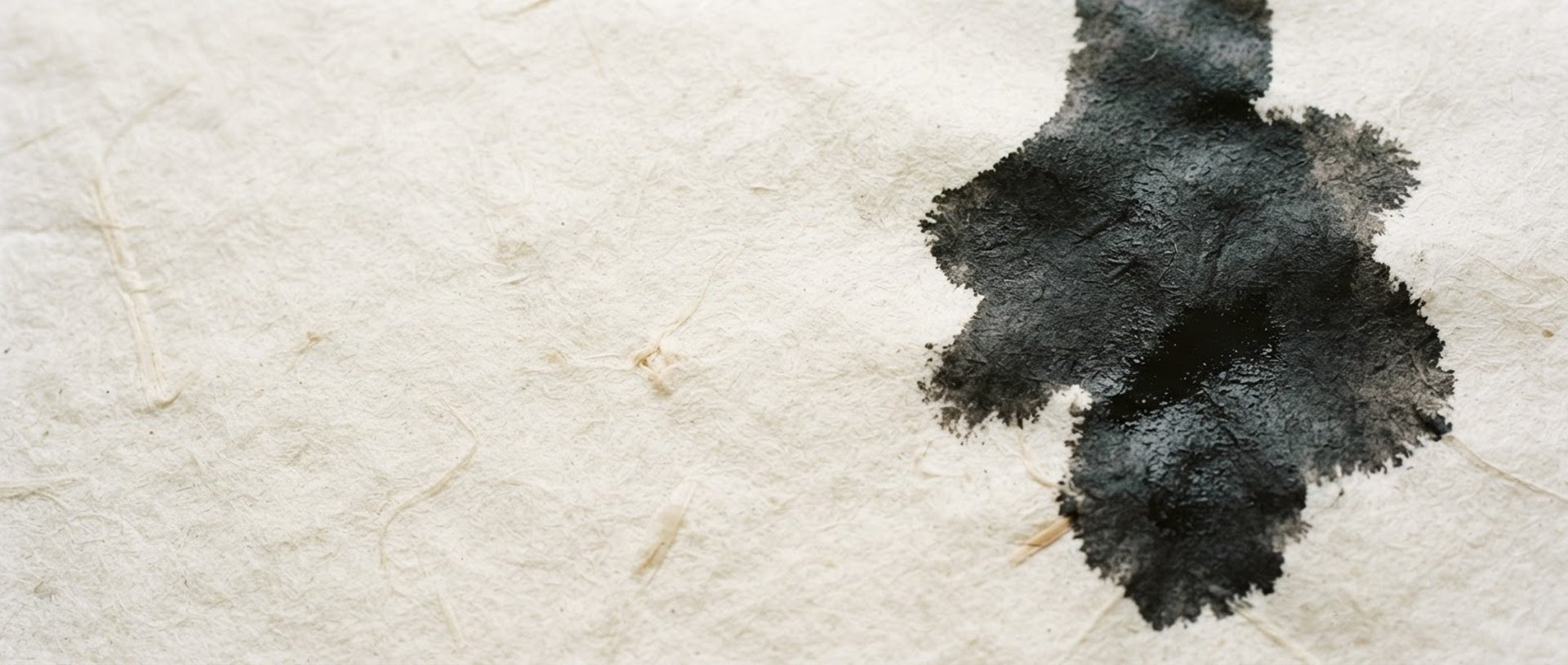
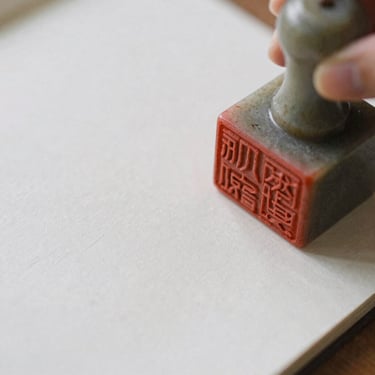
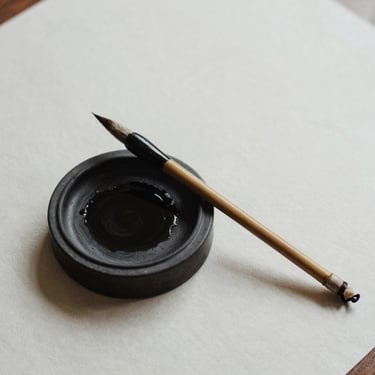
Macro details of traditional strokes, capturing the quiet tension where brush meets paper. Each image serves as a visual meditation on the untranslated idioms discussed in our essays.