
Obscure Weather Terms for Specific Sights
Top 10 Favorite Weather Words, including One "Whether" Word NOT about nature
LEARN ENGLISH
Junique Folks
7/14/20263 min read
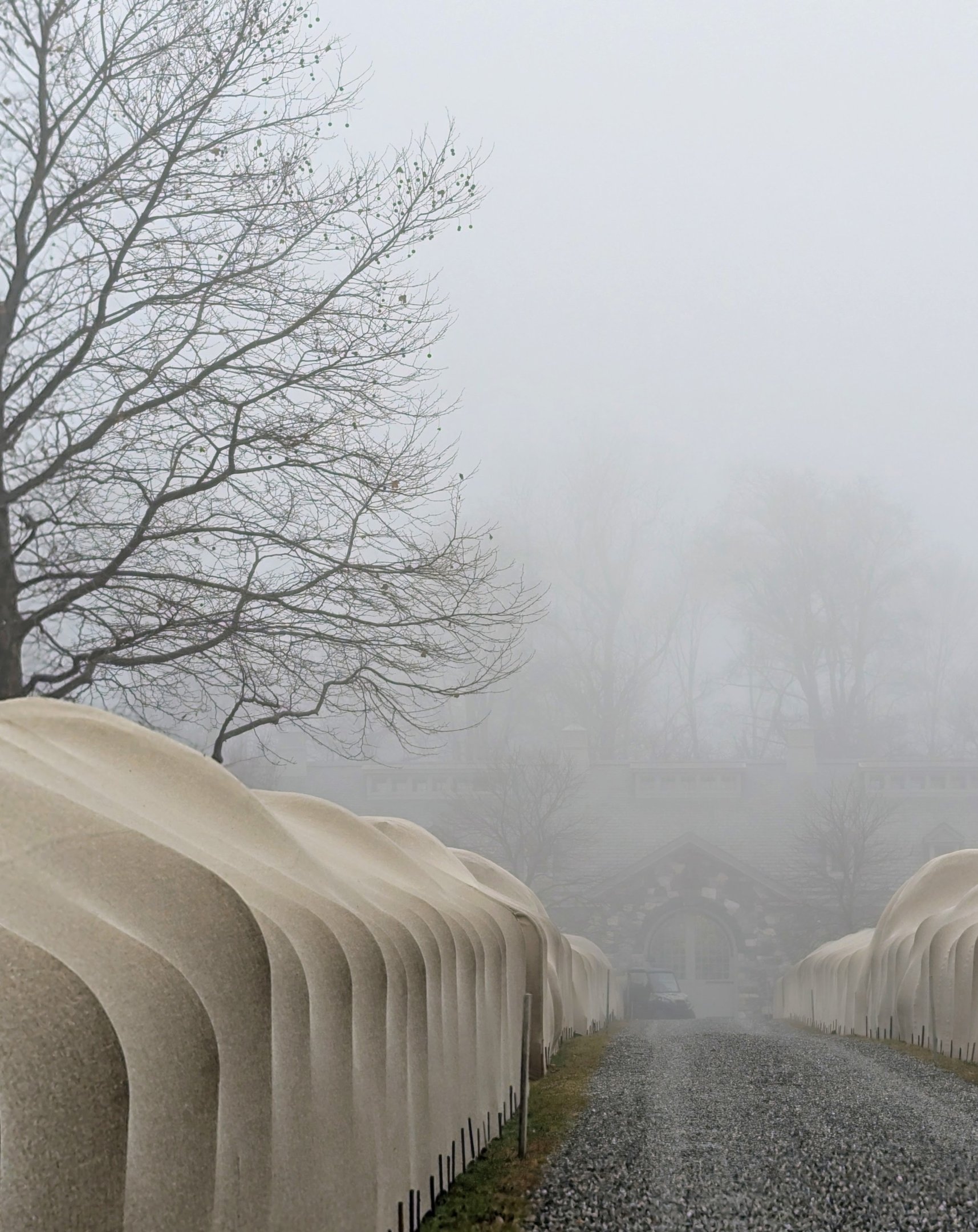
1. Daala mist (DAH-lah mist)
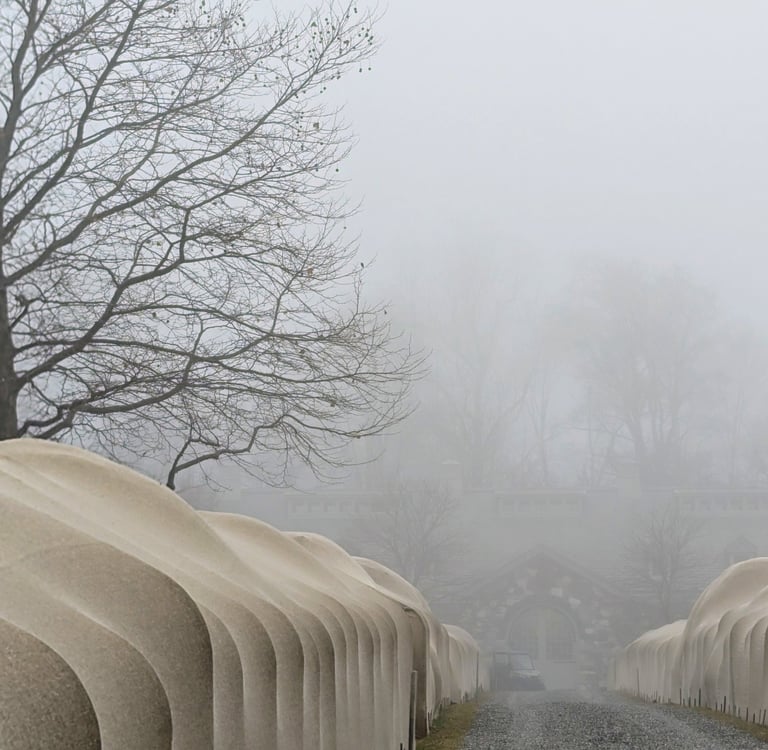
An archipelago, or group of islands, in Scotland named Shetland is to thank for gifting us this term. Daala mist specifically means mist which gathers in the valleys at night and disappearing when the sun rises. This made the top of the list mainly because: a) I've always imagined daalamist to similar to sky-high morning dew, and b) it's technically two words making it perfect for Phraseology.
image: "December Fog," The Martha Blog, Marta Stewart, 2023
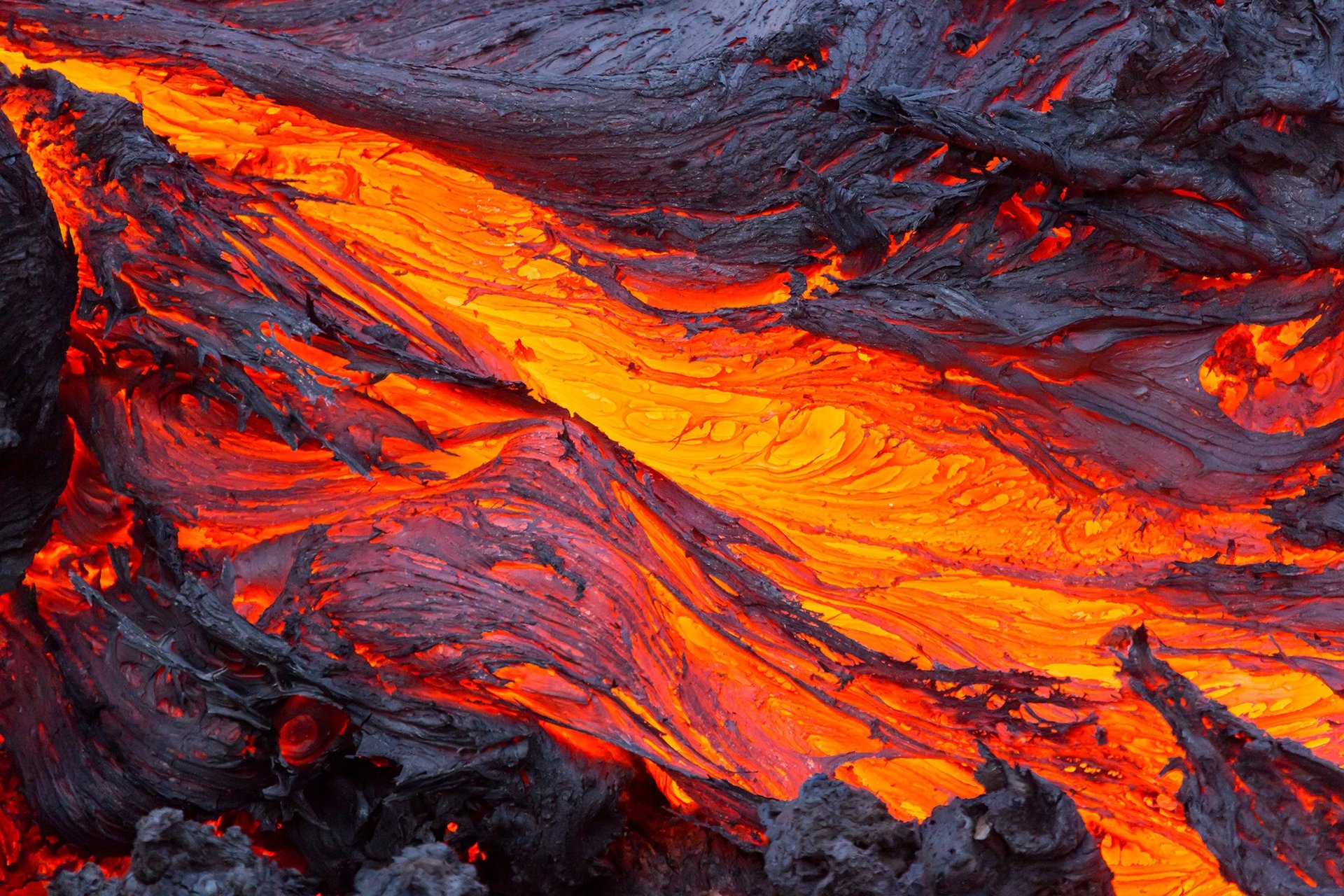
2. Pahoehoe (PAH-hoy-hoy)
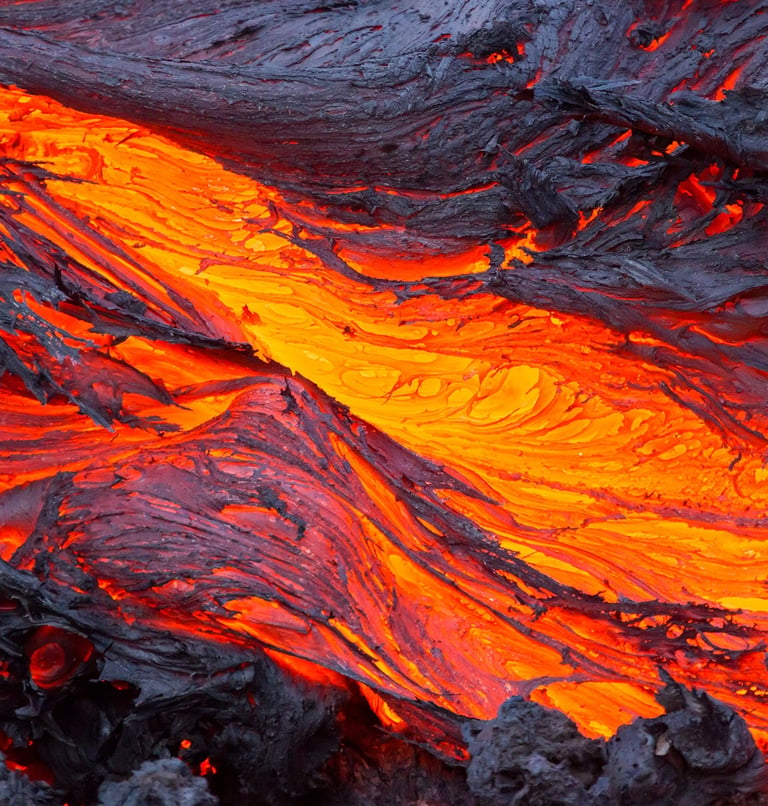
Originally coming from the Hawai'ian word for "smooth," pahoehoe refers to the highly fluid, basaltic lava flowing under an ever-hardening crust. The pahoehoe advances in lobes and has a smooth, very rope-like appearance. Conversely, ‘a‘ā lava - although chemcially the same - looks much sharper, rough, jagged, and spiny.
For even more obscure words, pahoehoe is billowy whereas ‘a‘ā is clinkery.
3. Pogonip (PAH-guh-nip)
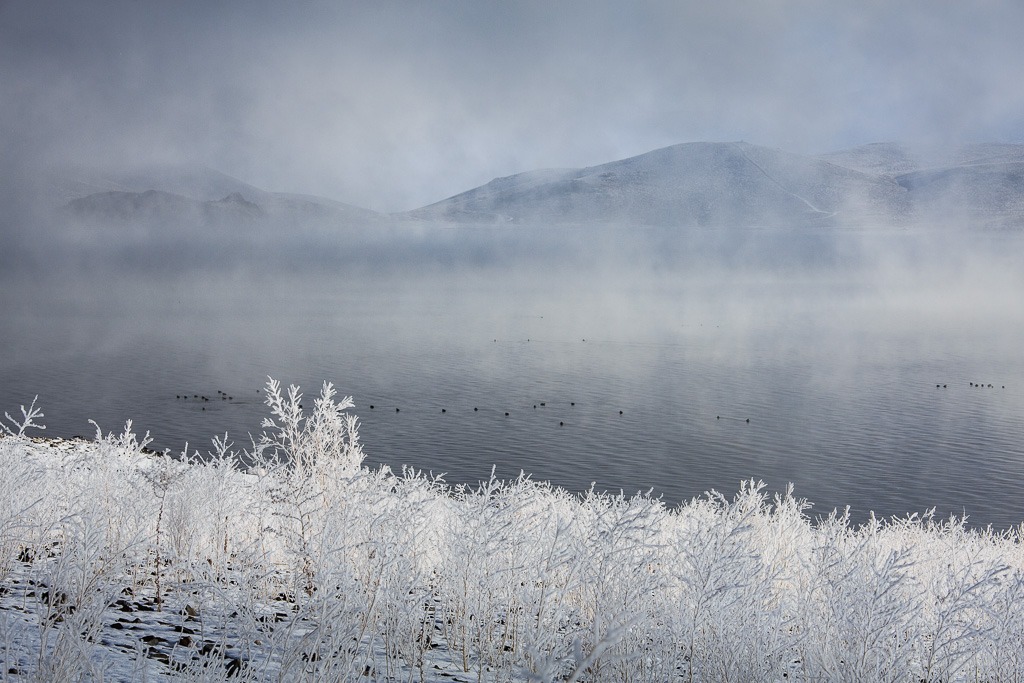
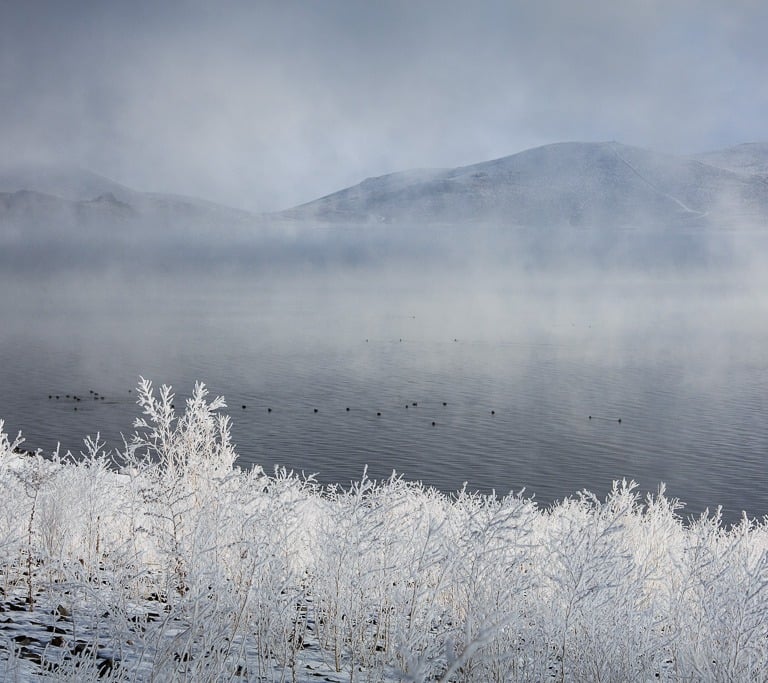
A pogonip is most common in the mountainous areas of northwestern United States, such as Seattle and Oregon . If you were in a pogonip, you'd see billions of frozen particles - or graupel - suspended in a dense winter fog, much like that one scene from Frozen.
image: "Pogonip," The View From A Drawbridge, Jeff Sullivan, 2013
4. Tarn (TAArn)
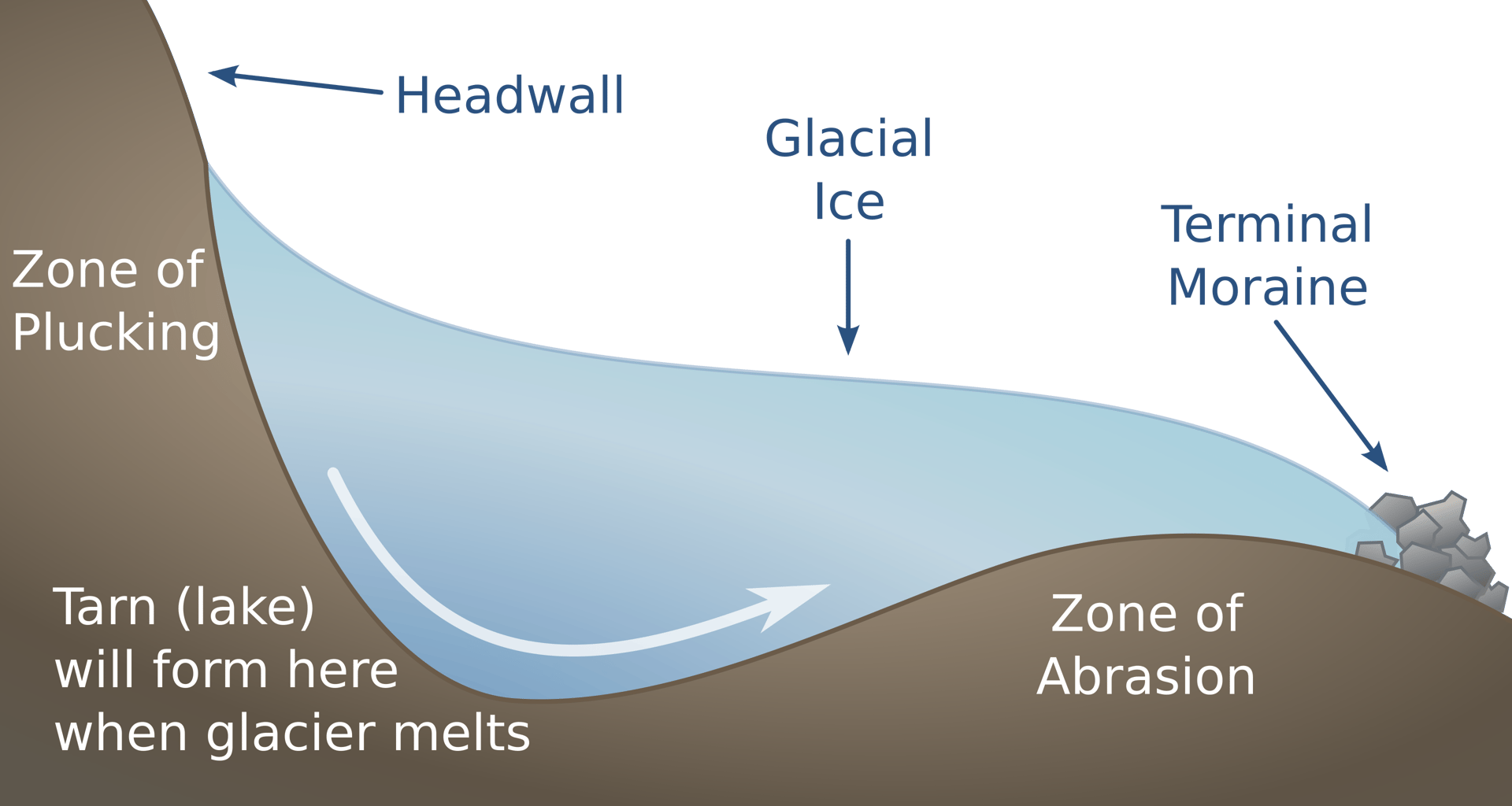
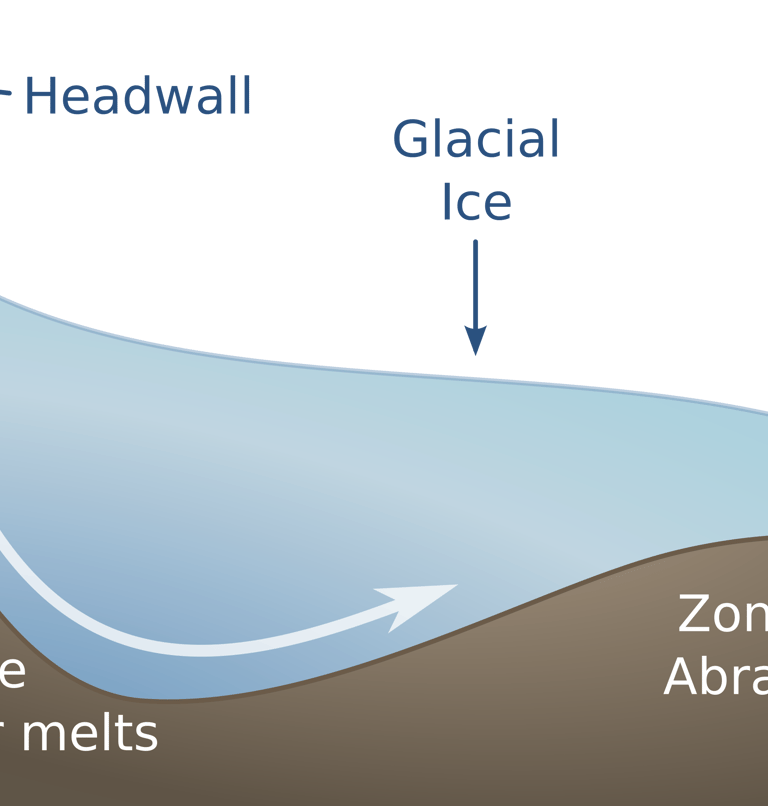
Also known as a corrie loch, a tarn is a small mountain lake that forms in a cirque, or circle-like depression, after a glacier passes. Most often found in Northern England towns like Westmorland, where there are over 197 tarns.
source: "Tarn," Wikipedia
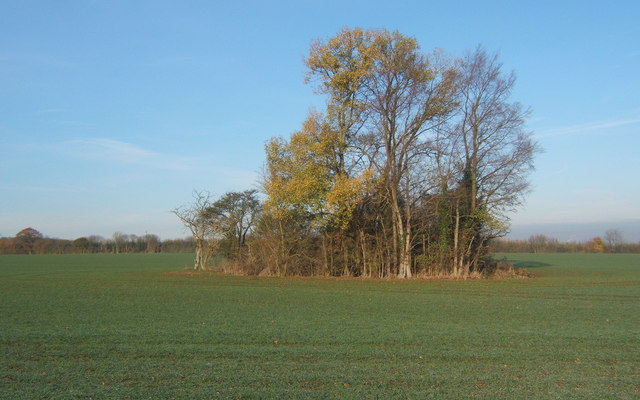
5. Copse (kAAps) 🇺🇸 (kOps) 🇬🇧
Another one of my personal favorites (only because it sounds threateningly similar to corpse, but has absolutely nothing to with it etymologically) so although it's technically not about weather, it's still included at number 5. Similar to a tarn, a copse refers to nature - most specifically a group of trees. It is a small patch of trees, or even a thicket of bushes.
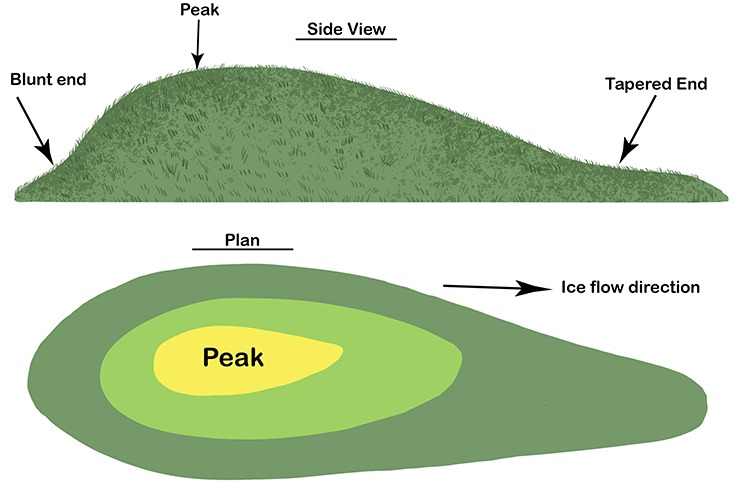
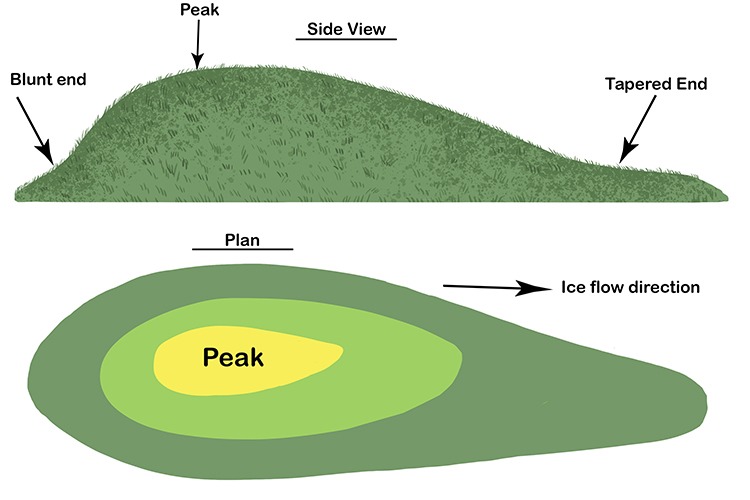
6. Drumlin (DRUM-lihn)
More specific and esoteric nature terms! Ever see a small knoll that looked vaguely like a horizontal drumstick? That's a drumlin.
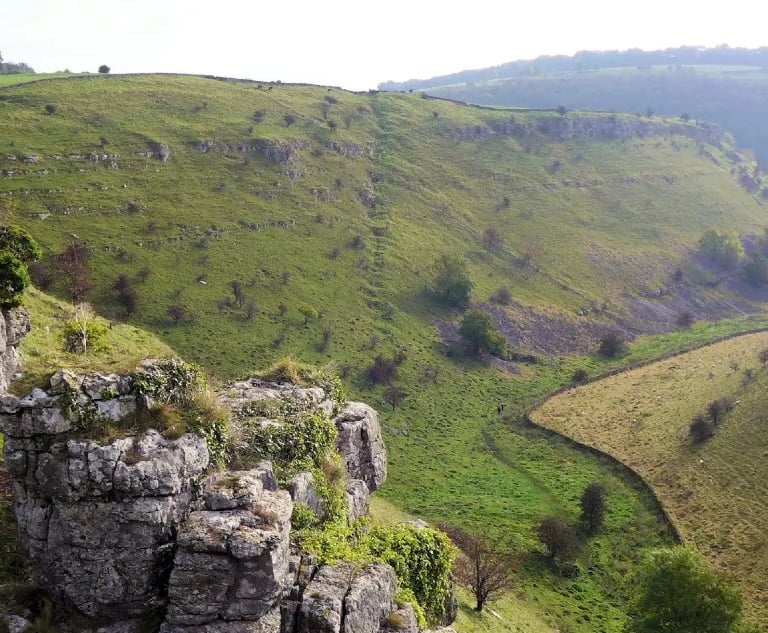
7. Valley - Dale - Glen
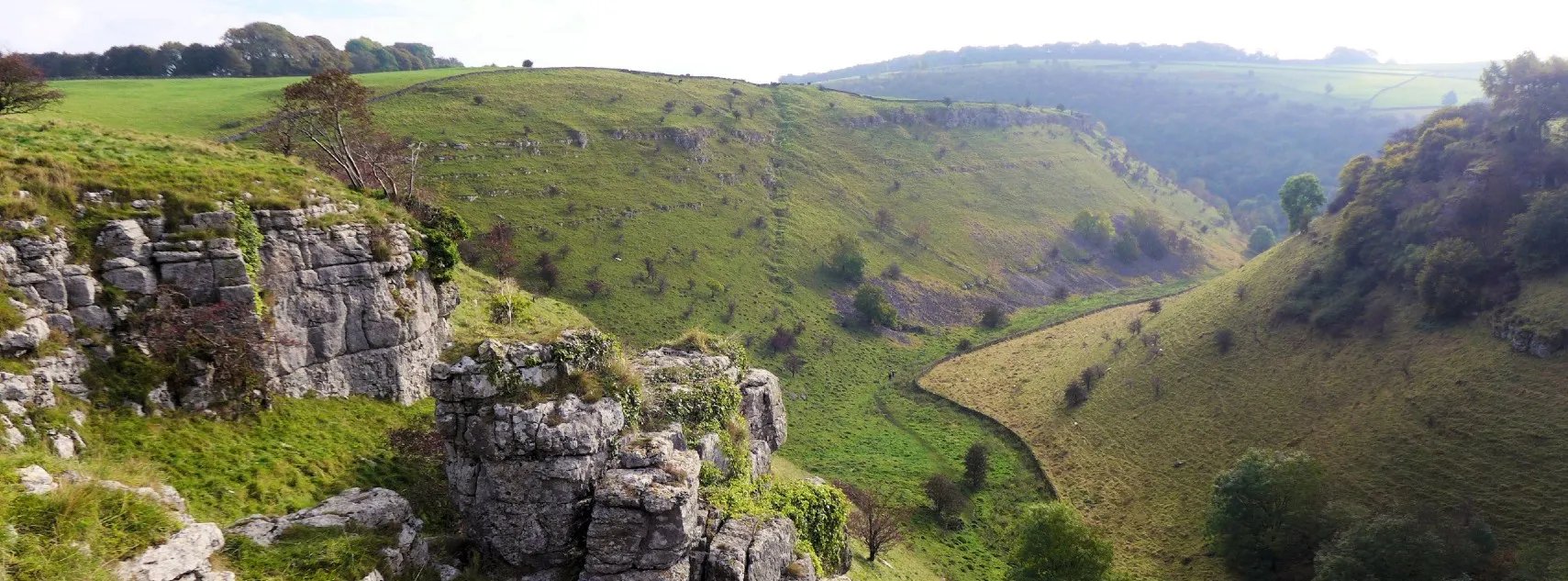
Bang on - even more obscure English nature innit! We're all well awares of a valley, right? The area between two mountains? Ok, then let's see if I can't make this simple -
A dale is an especially wide valley, whereas a glen is a thin valley, which would make it an even especially thinner dale. Voilà, three vocab terms for the price of one!
source: "Lathkill Dale Walk," Peak District Limestone Valley, England, 2026
8. Morass (mur-ASS)
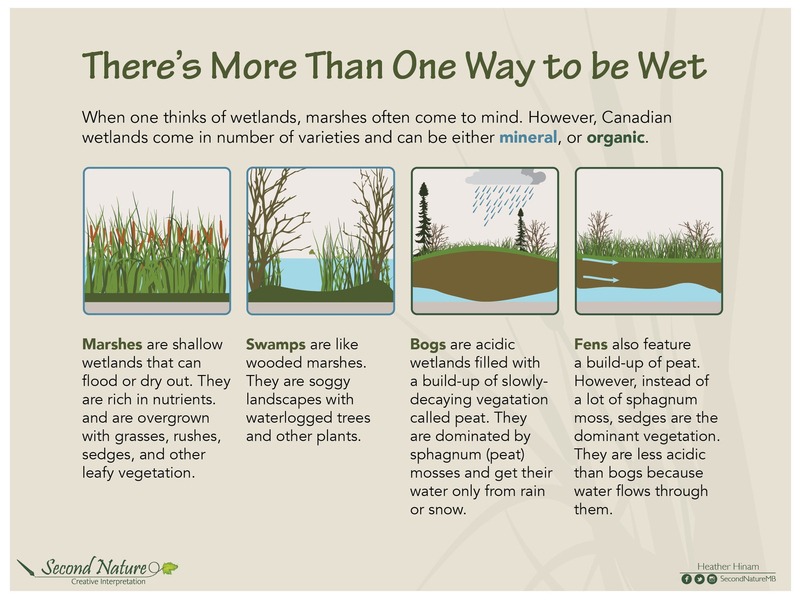
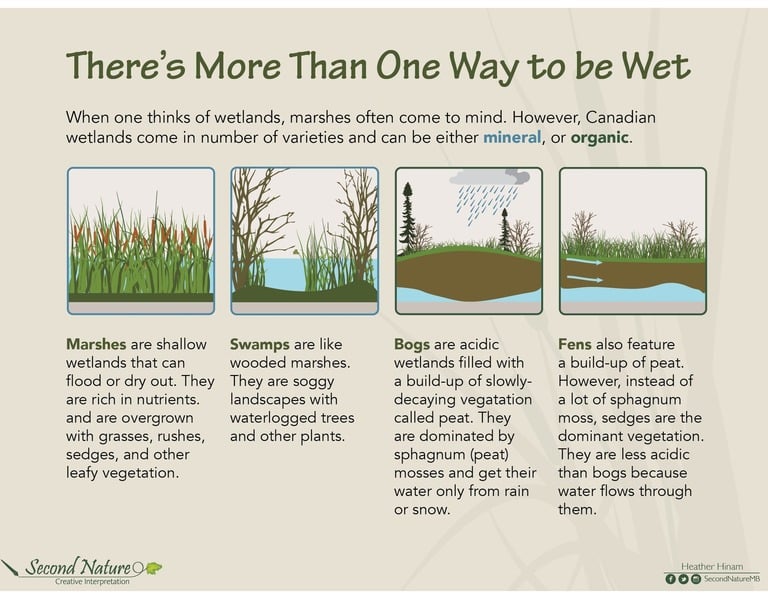
Who knew there were so many terms for swamp? Whether its the semantically similar wetlands with low vegetation (marshes), acidic wetlands with a ph <7 (bogs), or a more alkaline pH >7 fen, all of them could be referred to as morass.
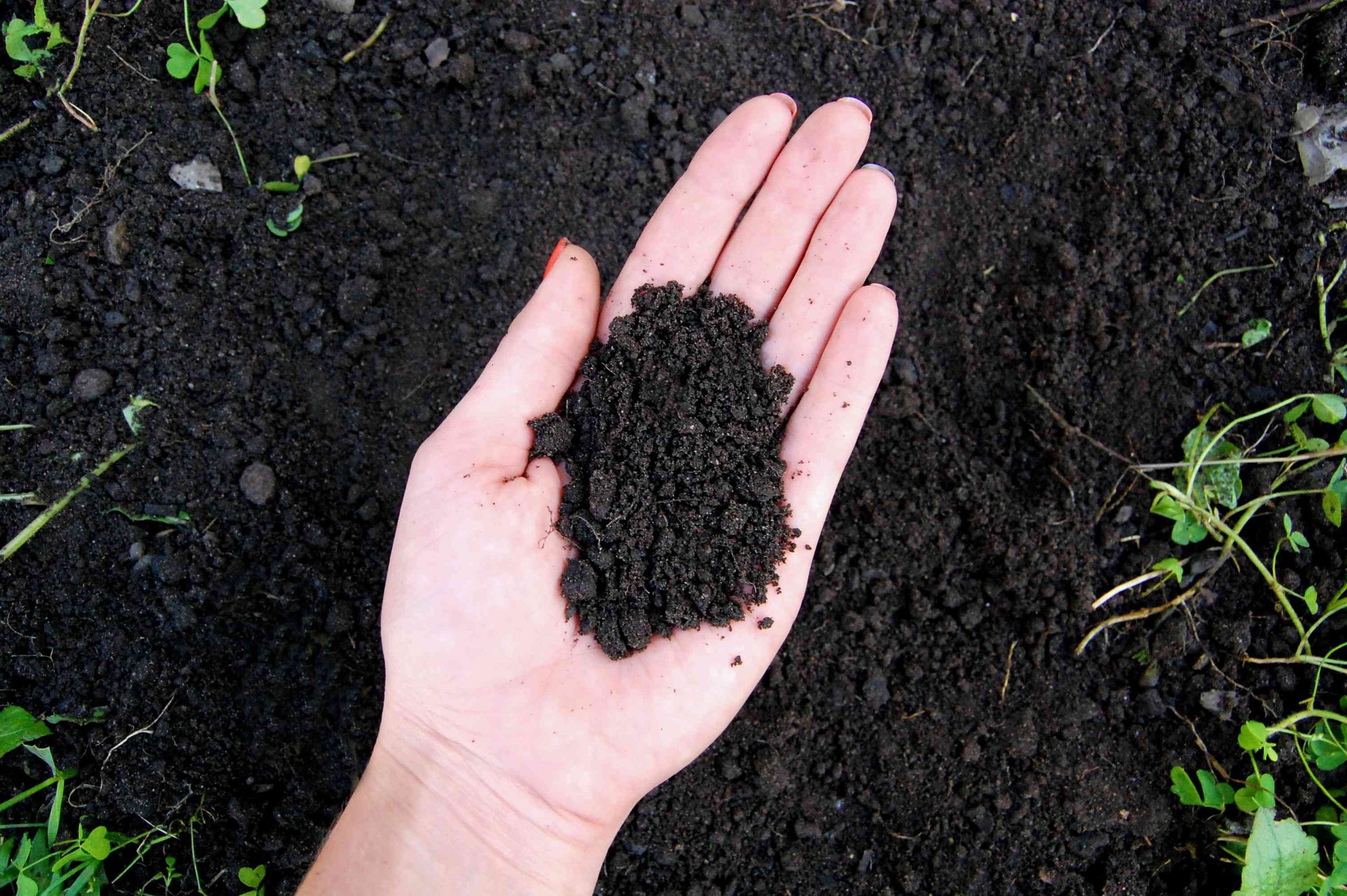
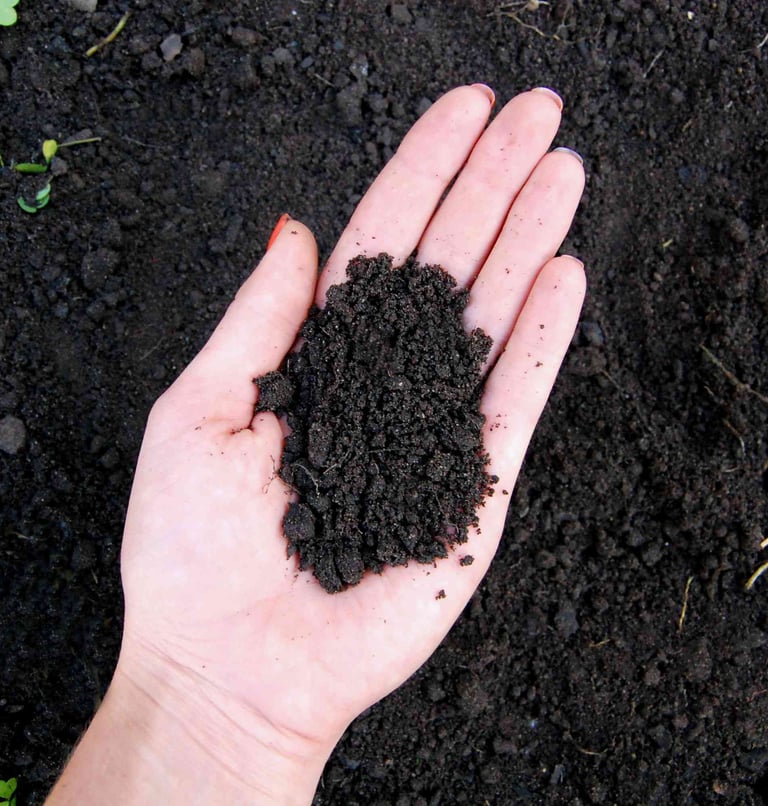
9. Loam (LUHM)
Bang on - even more obscure English nature innit! We're all well awares of a valley, right? The area between two mountains? Ok, then let's see if I can't make this simple -
A dale is an especially wide valley, whereas a glen is a thin valley, which would make it an even especially thinner dale. Voilà, three vocab terms for the price of one!
source: "Lathkill Dale Walk," Peak District Limestone Valley, England, 2026
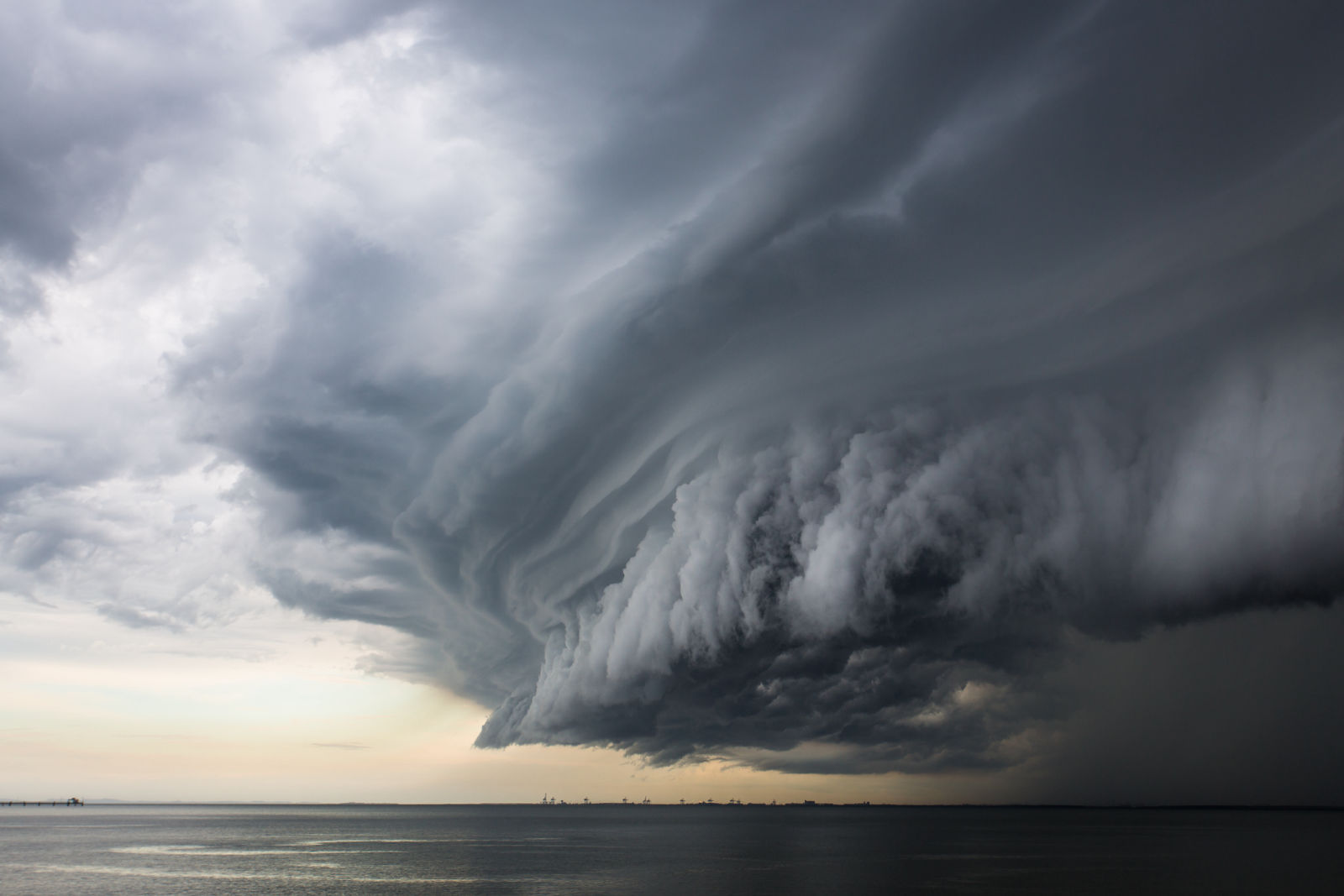
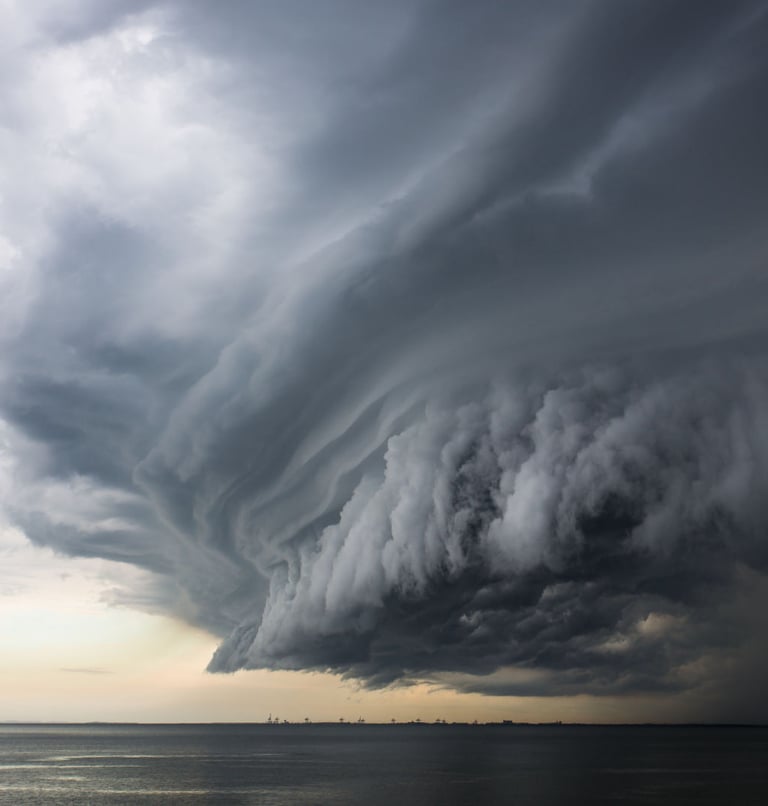
10. bombogenesis haboob mur-ASS)
Who knew there were so many terms for swamp? Whether its the semantically similar wetlands with low vegetation (marshes), acidic wetlands with a ph <7 (bogs), or a more alkaline pH >7 fen, all of them could be referred to as morass.