
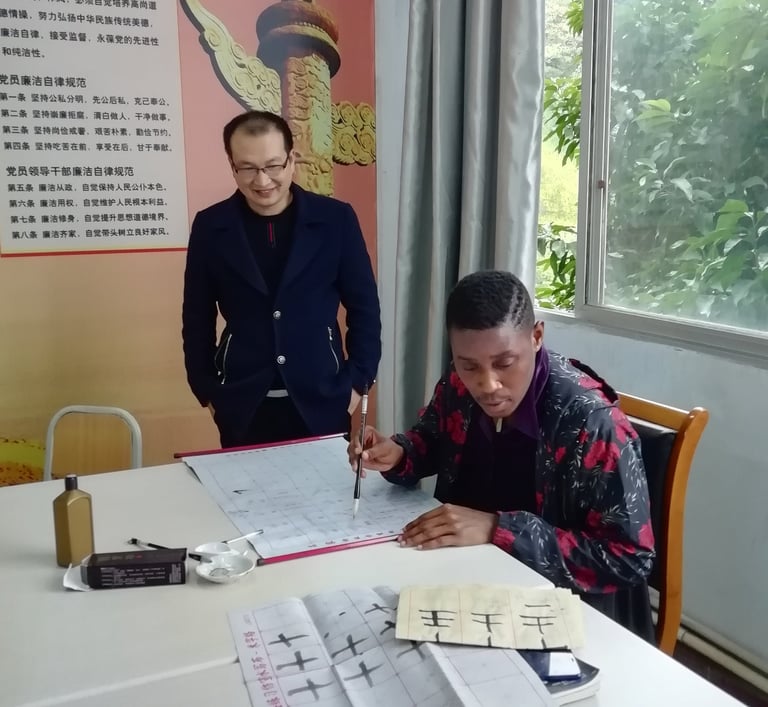
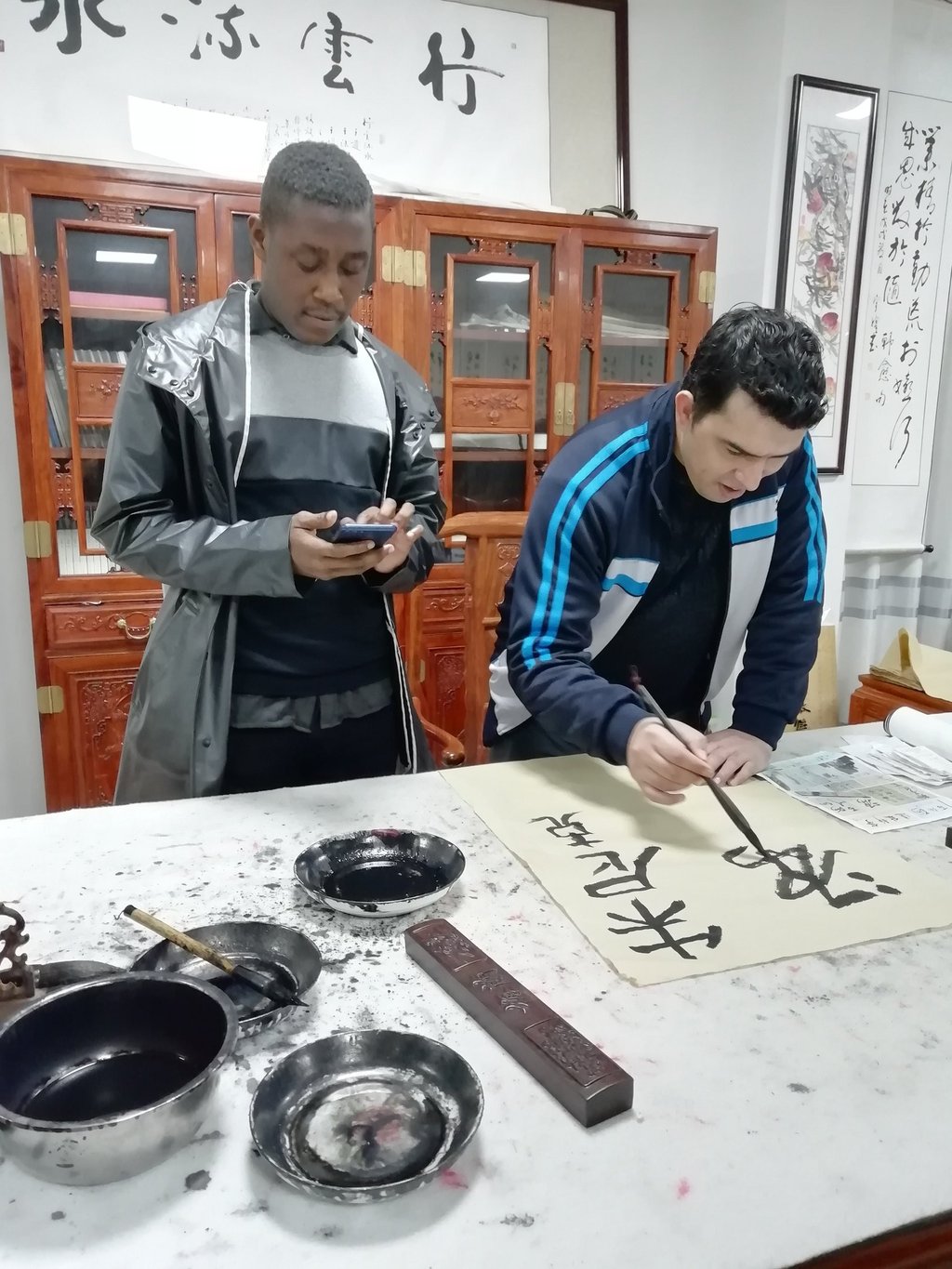
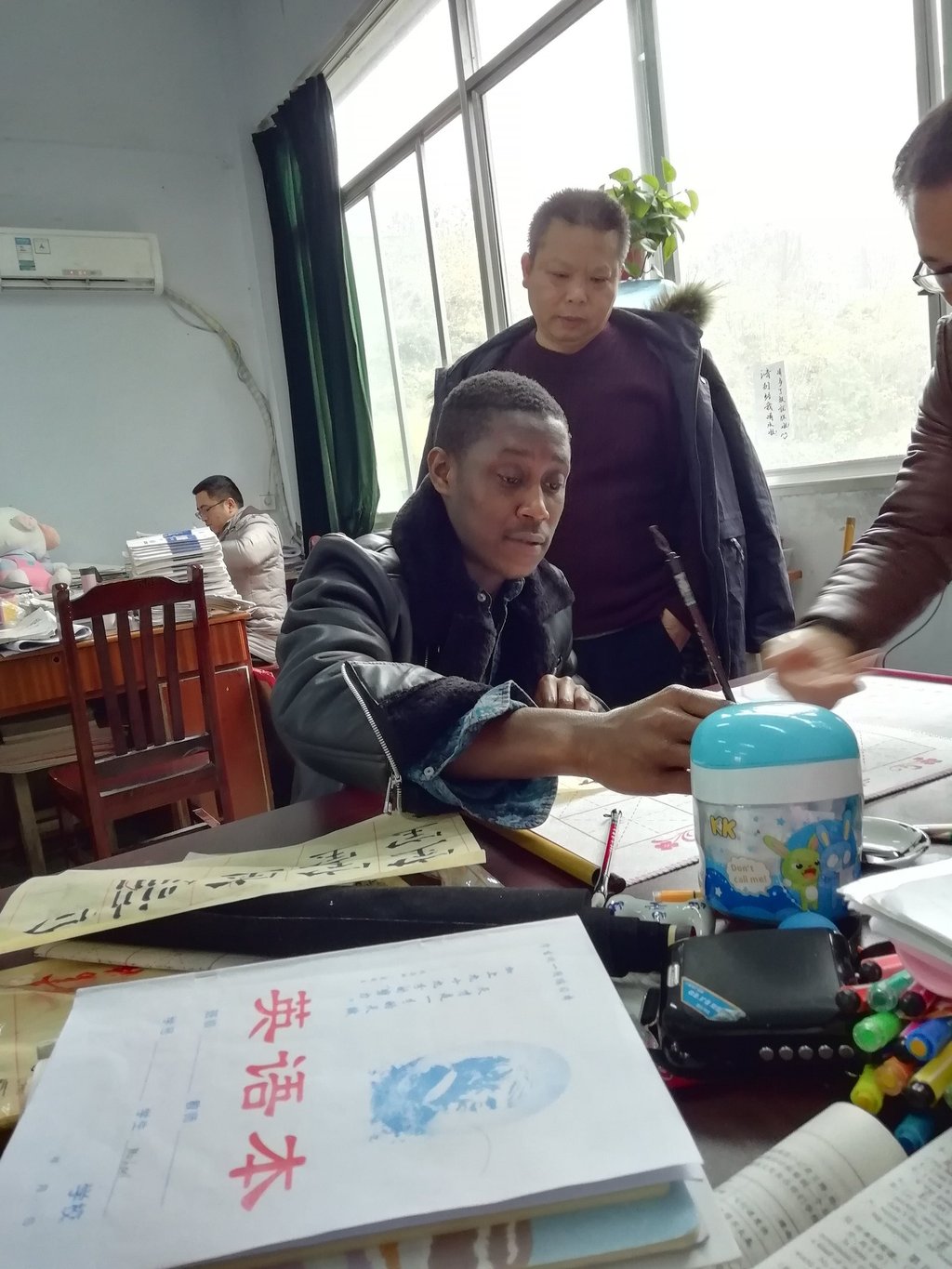

My first winter in Chongqing, an elderly art instructor handed me a brush made of soft goat hair and told me to draw a single horizontal stroke across a sheet of raw xuan paper. The ink immediately spread into an unruly, bleeding gray cloud because I had hesitated for less than half a second. In that single bleed, I saw the exact mistake I had been making in my bilingual literature classes, where my over-prepared lectures left no room for the natural, absorbent pauses that Chinese students require to process complex English phrasing.
The Resistance of Raw Fiber
Unlike the smooth, treated parchment of Western notebooks, raw xuan paper offers a silent, physical feedback to the writer. Every fiber of the bark acts as a microscopic gatekeeper, demanding a precise speed that is neither too hasty nor too tentative. In the classroom, this translates to a structural patience where we must learn to tolerate the quiet spaces between a question and its eventual, carefully weighted answer.
Designing for the Slow Bleed
To apply this ink-and-paper philosophy to modern pedagogy, we have to stop treating silence as an administrative failure. Now, when I ask my senior students to analyze a passage of American transcendentalist poetry, I deliberately leave twenty seconds of complete quiet, letting the intellectual ink settle into the paper before anyone speaks. The results are always richer, less performative, and deeply felt - just like excellent calligraphy.